

Edible mushrooms have moved far beyond being just a cooking ingredient. Today, they are recognized as nutrient-dense foods, flavor enhancers, and functional ingredients with cultural, medicinal, and culinary importance across the world. From fresh button mushrooms found in grocery stores to dried wild mushrooms harvested in African forests, mushrooms play a vital role in both traditional diets and modern wellness-focused lifestyles.
This complete guide to edible mushrooms is designed as a pillar resource. It covers mushroom types, nutrition, health benefits, cooking uses, storage methods, safety considerations, and buying tips—creating a strong foundation for linking multiple supporting articles and product pages.
Whether you are a home cook, health-conscious consumer, or someone interested in dried mushrooms and mushroom powder, this guide will help you understand everything you need to know.
What Are Edible Mushrooms?
Edible mushrooms are the fruiting bodies of fungi that are safe for human consumption. Unlike vegetables, mushrooms do not grow from seeds or rely on sunlight for photosynthesis. Instead, they absorb nutrients from organic matter, which contributes to their rich umami flavor and unique nutritional profile.
Not all mushrooms are edible. Some species are toxic or even deadly, which is why understanding the difference between edible and poisonous mushrooms is critical—especially when dealing with wild varieties.
Why Mushrooms Are a Staple in Global Cuisines
Mushrooms have been consumed for thousands of years across Asia, Africa, Europe, and the Americas. Different cultures value mushrooms for different reasons:
- Flavor: Mushrooms provide umami, the savory taste often associated with meat and broths
- Nutrition: Low in calories but rich in micronutrients
- Availability: Can be dried and stored long-term
- Cultural significance: Used in traditional dishes, ceremonies, and folk medicine
In African cuisine, dried mushrooms are often used in soups, stews, and sauces to deepen flavor while extending shelf life—an approach that remains relevant today.
Types of Edible Mushrooms
Understanding mushroom varieties is essential for cooking, nutrition, and purchasing decisions. Edible mushrooms can be broadly categorized into cultivated mushrooms, wild mushrooms, and functional or medicinal mushrooms.
Common Cultivated Edible Mushrooms
These mushrooms are widely available and commonly used in everyday cooking.
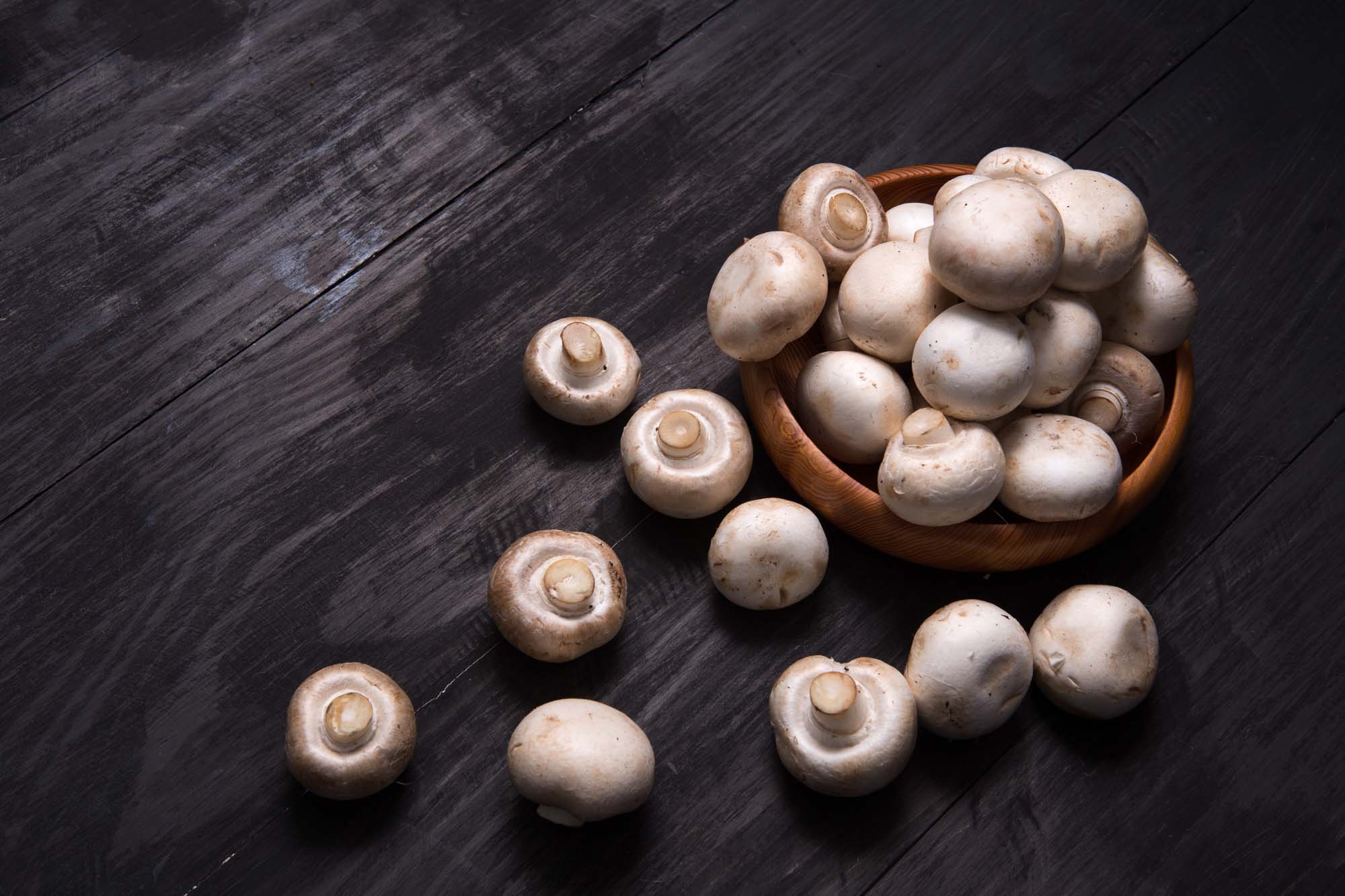
Button Mushrooms
Mild in flavor and versatile, often eaten raw or cooked.
Cremini Mushrooms
More mature than button mushrooms, with a deeper flavor.
Portobello Mushrooms
Large and meaty, often used as a meat substitute.
Oyster Mushrooms
Soft texture with a slightly sweet taste, popular in stir-fries.
Shiitake Mushrooms
Rich umami flavor, commonly used in Asian dishes and broths.
Wild Edible Mushrooms
Wild mushrooms grow naturally in forests and grasslands and often have stronger flavors.
Porcini Mushrooms
Earthy and aromatic, commonly sold dried.
Chanterelles
Fruity aroma with a firm texture.
Morels
Highly prized for their nutty flavor.
African Wild Mushrooms
Traditionally harvested and sun-dried, used in soups and sauces.
👉 Supporting content opportunity:
“African Wild Mushrooms: Traditional Uses, Nutrition & Cultural Importance”
Medicinal and Functional Mushrooms
These mushrooms are valued for bioactive compounds rather than flavor alone.
- Reishi
- Lion’s Mane
- Cordyceps
- Turkey Tail
They are commonly consumed as powders, teas, or supplements rather than whole foods.
👉 Supporting content opportunity:
“Medicinal Mushrooms Explained: Science vs Traditional Use”
Fresh vs Dried Mushrooms

One of the most common questions people ask is whether fresh mushrooms or dried mushrooms are better.
Fresh Mushrooms
- High water content
- Mild flavor
- Short shelf life
- Best for quick cooking
Dried Mushrooms
- Concentrated flavor
- Long shelf life
- Lightweight and easy to store
- Ideal for soups, stews, and sauces
Drying removes moisture but preserves most nutrients, making dried mushrooms a practical and powerful ingredient.
👉 Supporting content opportunity:
“Dried Mushrooms vs Fresh Mushrooms: Which Is Better?”
Nutritional Value of Edible Mushrooms
Mushrooms are low in calories but rich in essential nutrients.
Key Nutrients Found in Mushrooms
- B vitamins (B2, B3, B5)
- Selenium
- Copper
- Potassium
- Dietary fiber
- Antioxidants
Mushrooms are also one of the few non-animal sources of vitamin D when exposed to sunlight or UV light.
Health Benefits of Eating Mushrooms
Regular mushroom consumption is associated with multiple health benefits:
Immune System Support
Certain mushrooms contain beta-glucans that help modulate immune function.
Heart Health
Mushrooms are cholesterol-free and may help regulate blood pressure.
Gut Health
Dietary fiber supports digestion and gut microbiome balance.
Weight Management
Low-calorie, high-volume foods that promote satiety.
👉 Supporting content opportunity:
“Health Benefits of Mushrooms: What Happens When You Eat Them Regularly?”
Mushroom Powder: Uses and Benefits
Mushroom powder is made by drying and grinding mushrooms into a fine powder.
Why People Use Mushroom Powder
- Easy to store
- Long shelf life
- Strong flavor enhancement
- Convenient for soups, sauces, smoothies
Mushroom powder is especially popular in African and Asian cooking, where it is used as a natural seasoning.
👉 Supporting content opportunity:
“Mushroom Powder vs Whole Dried Mushrooms: How to Choose”
How to Cook with Edible Mushrooms
Cooking mushrooms properly enhances flavor and digestibility.
Tips for Cooking Mushrooms
- Avoid overcrowding the pan
- Use moderate heat to release moisture
- Season after mushrooms brown
Using Dried Mushrooms
- Soak in warm water for 20–30 minutes
- Strain and save the soaking liquid
- Add to soups, stews, or sauces
👉 Supporting content opportunity:
“How to Cook with Dried Mushrooms: Soaking, Storage & Flavor Tips”
How to Store Edible Mushrooms Properly
Storing Fresh Mushrooms
- Keep refrigerated
- Store in breathable paper bags
- Use within 5–7 days
Storing Dried Mushrooms
- Airtight containers
- Cool, dark, dry place
- Shelf life: 1–2 years
Storing Mushroom Powder
- Keep sealed
- Avoid moisture
- Use within the recommended period
👉 Supporting content opportunity:
“How to Store Dried Mushrooms for Long-Term Use”
Are All Mushrooms Safe to Eat?
No. Some mushrooms are toxic and should never be consumed.
Safety Guidelines
- Only consume mushrooms from trusted sources
- Avoid foraging without expert identification
- Cook mushrooms properly
👉 Supporting content opportunity:
“Edible vs Toxic Mushrooms: How to Stay Safe”
Buying Tips for Edible Mushrooms
When purchasing mushrooms, consider:
- Source and origin
- Drying method (sun-dried vs machine-dried)
- Packaging and freshness
- Certifications (organic, food-grade)
High-quality dried mushrooms should have a strong aroma and natural color.
Why Edible Mushrooms Matter in Modern Diets
Mushrooms align perfectly with modern food trends:
- Plant-based diets
- Sustainable eating
- Clean-label ingredients
- Cultural and traditional foods
They offer nutrition, flavor, and versatility with minimal environmental impact.
Frequently Asked Questions (FAQ)
Are mushrooms vegetables or protein?
Mushrooms are fungi, not vegetables, but they provide plant-based protein and nutrients.
Are dried mushrooms still healthy?
Yes, dried mushrooms retain most nutrients and often have concentrated flavor.
Can you eat mushrooms every day?
For most people, regular mushroom consumption is safe and beneficial.
Do mushrooms need to be cooked?
Cooking improves digestibility and safety for most varieties.
Do dried mushrooms expire?
They do not spoil quickly but can lose flavor if improperly stored.
Final Thoughts
Edible mushrooms are one of the most versatile, nutritious, and culturally significant foods in the world. Whether fresh, dried, or powdered, they offer incredible value in cooking, health, and sustainability.
This guide serves as a pillar foundation. By linking related articles on mushroom types, health benefits, cooking methods, safety, and storage, you can build strong topical authority and long-term organic traffic. Buy the best mushrooms from Kopabana.
Thank you for the information on mushrooms and African grown mushrooms in particular. I am going to share this information with students at a high school in Trinidad and Tobago. We are pleased to know that like other ancient cultures Africans do have a history of using these natural foods.
Thank you so much Judy. Stay tuned to get more informative content from us.